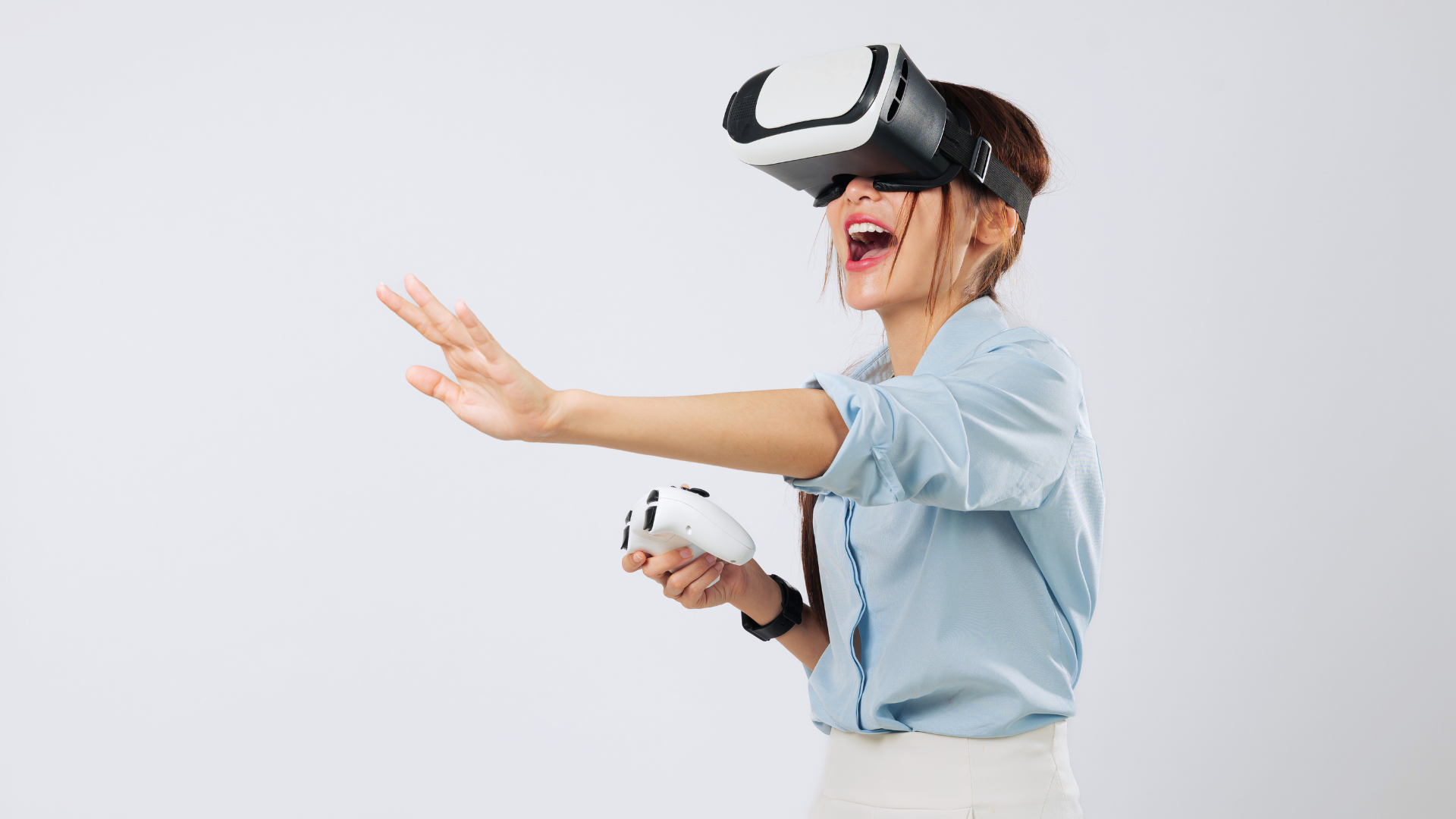
The landscape of the video game industry is evolving rapidly, with CGI playing a pivotal role in enhancing the realism of characters. The incorporation of CGI technology enables game developers to create lifelike characters that resonate with players on a deeper level, bridging the gap between virtual experiences and reality. This advancement not only elevates the aesthetic appeal of games but also enriches storytelling and character development.
As gaming becomes increasingly immersive through virtual reality and augmented reality, the demand for realistic characters grows. CGI allows for detailed facial expressions, intricate movements, and authentic textures, making characters feel more human and relatable. This lifelike representation draws players into the narrative, transforming their gaming experience.
The impact of CGI extends beyond graphics; it shapes the way players interact with games. By presenting characters that mirror genuine emotions and reactions, the gaming experience becomes more engaging. As technology continues to advance, the potential for even more lifelike characters in future games remains promising, sparking excitement within the gaming community.
Evolution of CGI in Video Games
The development of computer-generated imagery (CGI) in video games has been a remarkable journey marked by significant technological advancements. These milestones have transformed the gaming experience, leading to increasingly lifelike characters and immersive worlds.
History and Milestones
The evolution of CGI in video games began in the late 1970s and early 1980s, with simple pixel art defining character aesthetics. Games like “Space Invaders” and “Pong” set the foundation for visual storytelling. The introduction of 3D graphics in the 1990s, marked by titles such as Doom and Wolfenstein 3D,” significantly changed the landscape.
In the late 1990s and early 2000s, the advent of powerful graphics engines like Unreal Engine and CryEngine facilitated more realistic rendering. This period saw the introduction of detailed textures, complex character models, and improved lighting effects. As processing power increased, games began to feature realistic animations and physics. Key breakthroughs, such as motion capture technology, allowed developers to incorporate lifelike movements, bridging the gap between virtual characters and their real-world counterparts.
From 2D to 3D: The Technological Leap
The shift from 2D to 3D graphics marked a turning point in video game design. Early 2D games relied on bitmap graphics, limiting depth perception and realism. The transition to 3D opened up new possibilities, allowing for immersive environments and dynamic gameplay.
Key technologies, such as polygonal modelling and texture mapping, revolutionised the way characters were created. Games like “Final Fantasy VII” showcased the potential of 3D environments combined with CGI cutscenes, enhancing narrative engagement.
As technology progressed, the integration of advanced rendering techniques illustrated greater attention to detail. Real-time graphics engines achieved significant milestones with the introduction of ray tracing and physically based rendering. These advancements contribute to the development of characters that exhibit subtle behaviours and interactions, making them increasingly lifelike and enhancing the overall gaming experience.
Creating Lifelike Characters: Techniques and Processes
Creating lifelike characters involves a blend of advanced techniques and processes that enhance realism and emotional connection. Character design, rigging, and texturing play crucial roles in achieving these lifelike qualities in video games.
Character Design and Modeling
Character design begins with conceptual sketches, which serve as the foundation for 3D modelling. Artists use programs like Blender and ZBrush to sculpt intricate details, focusing on anatomy and proportions to create realistic forms.
Key aspects include:
- Silhouette: A strong silhouette ensures recognisability.
- Facial Features: Realistic eyes, mouths, and noses are essential for conveying emotions.
Attention to detail during modelling allows for a more immersive experience. The character’s personality influences design choices, assisting players in forming emotional connections.
Advanced Rigging and Animation
Rigging breathes life into static models. This process involves creating a skeleton that animators manipulate during character movement. In precision rigging, tools in Maya and Unity are utilised to allow for a range of motions.
Important elements are:
- Facial Rigging: This enables nuanced expressions, such as smiles or frowns.
- Motion Capture: High-quality motion capture techniques accurately record human movements, providing realistic animation.
Strong rigging facilitates believable animations, enhancing the player’s experience by making interactions seem fluid and true to life.
Texturing: The Skin Deep
Texturing and shading are pivotal for achieving realism. Artists apply intricate textures to surfaces, simulating skin, hair, and clothing. This process can involve using multiple layers to create depth and detail.
Consider the following aspects:
- Subsurface Scattering: This technique mimics the way light interacts with skin, giving a lifelike glow.
- Photo-Realistic Textures: Using high-resolution images, textures are strategically mapped onto 3D models to enhance realism.
Effective texturing draws players deeper into the game world, allowing them to engage more fully with characters.
The Role of AI in Game Character Realism
Artificial intelligence significantly contributes to the lifelike quality of video game characters through advanced animation techniques and improved motion-capture processes. This integration results in characters that not only look realistic but also exhibit natural movement and expressions.
Enhancing Animation with AI
AI plays a crucial role in enhancing animation by allowing for more fluid and dynamic character movements. Traditional animation methods often require extensive manual input, but AI can analyse vast amounts of data to generate realistic animations autonomously.
For example, AI algorithms can mimic subtle human movements, adjusting speed and fluidity based on context. This results in characters that react believably within the game environment. Techniques like machine learning enable the creation of predictive models for character behaviours, allowing them to adapt in real time to player actions.
Moreover, AI-driven tools can manage complex facial animations, ensuring characters express emotions more accurately. This attention to detail creates a more immersive experience for players.
Artificial Intelligence in Motion Capture
Motion capture, or mocap, has been transformed with the introduction of AI technologies. Traditionally, capturing realistic movements relied heavily on actors wearing specialized suits, which was labor-intensive. AI techniques have streamlined this process, allowing for faster and more accurate data processing.
AI can enhance motion capture by correcting errors in real time. For example, if an actor misses a movement, AI can fill in the gaps by predicting the intended action. This leads to smoother animations and improved character realism.
Additionally, AI can analyse and learn from previous motion capture data, making it possible to apply successful movement patterns to new characters effectively. As a result, more games benefit from high-quality animations that resonate with players, enhancing overall enjoyment and immersion.
The Impact of Realistic Characters on Gaming and Beyond
Realistic characters significantly influence various aspects of gaming and related industries. This encompasses the enhancement of player experiences and the evolving landscape of cross-industry applications.
Enhancing the Player Experience
The integration of realistic graphics elevates the emotional connection players feel towards characters. This connection draws players deeper into the narrative, promoting greater engagement and immersion.
High fidelity in character design allows for nuanced facial expressions and authentic body language. These elements can convey complex emotions, making interactions more relatable. For instance, a character’s subtle frown or smile can impact a player’s decision-making process far more than simplistic animations.
Many games now incorporate augmented reality (AR) and virtual reality (VR) to enhance these experiences further. In VR environments, lifelike characters can create a sense of presence, making players feel as though they are part of the game world. These advancements lead to richer, more memorable gameplay experiences.
Cross-Industry Applications
The impact of realistic characters extends beyond gaming into fields like movies and advertising. Filmmakers leverage similar technologies to create lifelike digital actors that can perform alongside human ones, blurring the lines between real and synthetic.
In advertising, brands use realistic character designs in animated commercials to foster emotional connections with consumers. A relatable character can evoke feelings or nostalgia, persuading audiences more effectively.
Additionally, the advancements in character realism stimulate innovation in various sectors. Industries such as healthcare utilise realistic simulations for training purposes. This can enhance the effectiveness of learning experiences as users engage with lifelike scenarios.
The ripple effect of character realism influences numerous sectors, driving advancements that benefit multiple domains.