
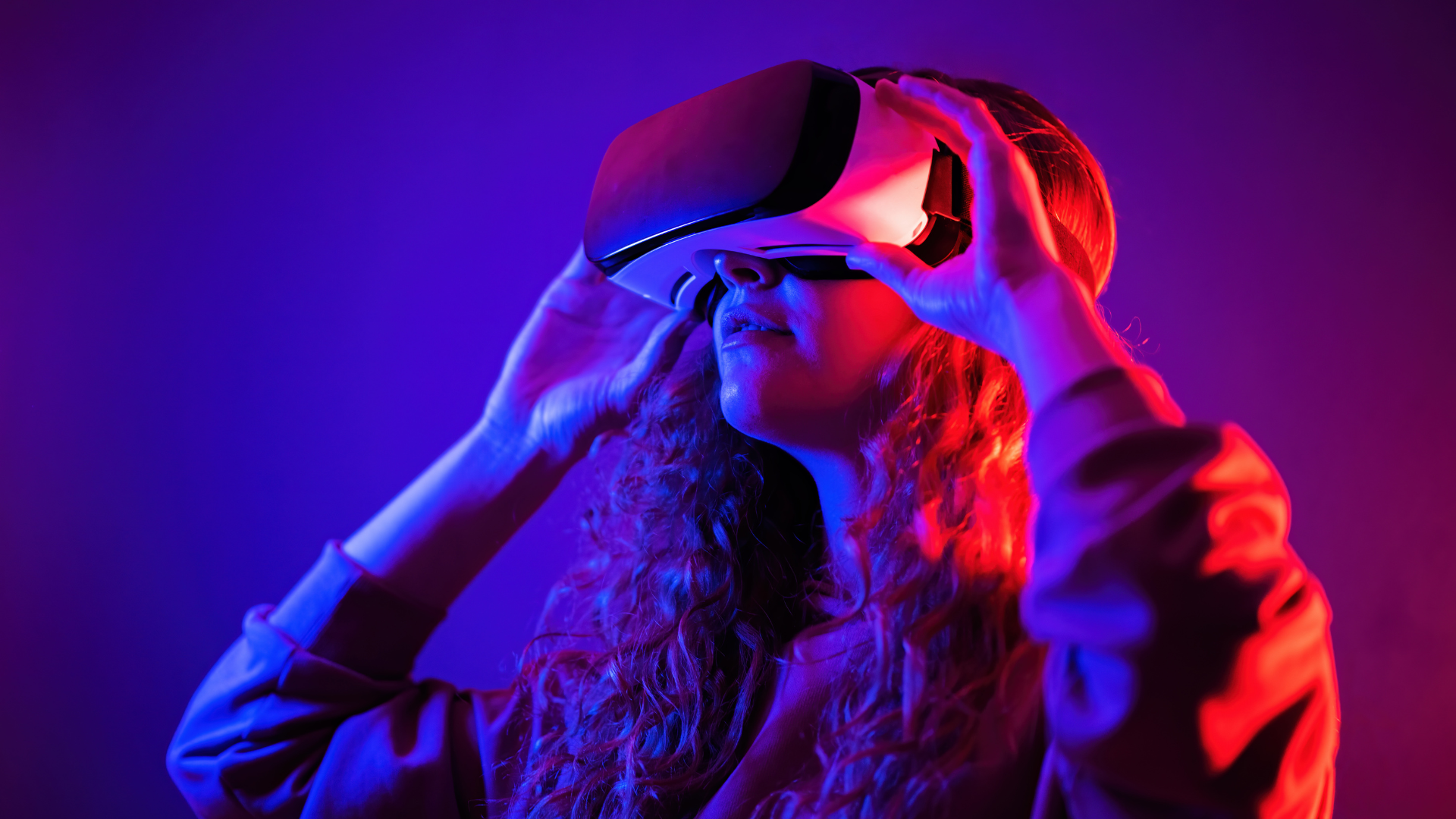
This is the age of technology, in which the definition of “recreation” has been changed. Playing was not just running out into the open for sports or the local park but has today evolved into the virtual experiences through which people seek to unwind and engage in some fun, as well as explore new forms of entertainment. Virtual recreation, from gaming to virtual tourism, is no longer just about sitting in front of a screen; it’s about getting immersed in worlds and experiences that seemed impossible to attain before.
But what, exactly, is virtual recreation? How is it changing the way we rest, socialize, and experience the world around us? Let’s get closer to it.
Virtual Reality and the New Era of Immersive Entertainment
Virtual recreation is the most exciting development. VR technology is one of the latest and rapidly developing areas in this sector. This technology makes use of headsets and motion sensors to create interactive and immersive environments. Although VR gaming has been around for quite some time, it’s now branching into other forms of recreation, including fitness, education, social experiences, and even therapy.
Just imagine stepping into a virtual world where you can explore ancient cities, visit the surface of Mars, or embark on some exciting adventure right from your living room. VR experiences are way more beyond today’s traditional entertainment, allowing for environments in which you become an active participant, rather than just a passive observer.
For example, in VR gaming, you can physically move, fight, and interact with the environment using controllers or even your own body. In VR fitness, you can “exercise” by playing immersive games like Beat Saber, where you slice blocks to the rhythm of music. It’s a new form of exercise that feels more like fun than working out, turning fitness into an experience rather than a chore.
Beyond gaming and fitness, virtual reality is also creating virtual spaces for socialization. The platforms that make this possible include VRChat and Rec Room. In these, you can meet other people, play games, and do various activities in totally virtual spaces. It’s somewhat like the digital version of a social gathering: hanging out with friends from across the globe, doing various things, such as dancing, playing mini-golf.
The Expansion of Augmented Reality: Merging the Digital and Physical Worlds
Augmented reality combines the real and the digital world, in that AR uses technology to superimpose images or other sensory inputs onto the physical world. One of the best known applications of this technology is a game called Pokémon GO. Using a smartphone, the players can capture and collect virtual Pokémon as they would go around the real world.
AR has gone beyond game playing and is now seen in interactive experiences in the museums, tourism, as well as fitness. Imagine stepping into a museum where arts surrounding you come alive with history or stories. Or using augmented reality to guide you as you walk through a place with a virtual tour when you are standing right there physically. It is an intuitive integration of digital information in our physical surroundings, and it’s a rapidly growing space for virtual recreation.
Virtual Tourism: Traveling Without Leaving Home
Travel, which once used to be quite physically active in that people would pack their bags and make reservations for flights or go to unknown places, has also gone digital. Thanks to virtual tourism, you now get to visit iconic places on the planet earth from the comfort of your couch. This is because virtual tourism, through VR and 360-degree video, lets a user interactively visit and experience famous landmarks, museums, or even entire cities.
Imagine taking a virtual walk along the Great Wall of China, touring the Louvre in Paris, or diving into the Great Barrier Reef—all from the comfort of your home. These experiences aren’t just about viewing static images or watching videos; they allow you to explore in real time, interact with your environment, and even learn about the places you’re visiting.
Virtual tourism is now something that people who cannot afford to travel due to their limited financial resources, time, or mobility can enjoy as a new sense of exploration and adventure. It can also complement real-life visits, offering an introductory or supplementary experience for those who will be traveling.
Social Recreation in the Digital Age
As the world becomes more connected through technology, virtual spaces are increasingly becoming the places where people gather to socialize, unwind, and have fun. Online multiplayer games like Fortnite, Among Us, and Minecraft have exploded in popularity, allowing millions of players to connect, collaborate, and compete in shared virtual worlds. These platforms have now become very social hubs where people of all ages can participate, form communities, attend events, even if in virtual concerts or trivia night or building something big together.
Beyond gaming, virtual platforms like Second Life, AltspaceVR, and Facebook Horizon are now being transformed into fully immersive social environments where users can meet, chat, attend events, and even build their own virtual worlds. It is the new form of social recreation where the boundaries between digital and physical worlds blur, with rich and engaging experiences similar to real-life interaction.
The Future of Virtual Recreation: Beyond Gaming and Fitness
Virtual recreation continues to evolve, but one of the most fascinating things that are on the horizon is the fusion of AI with virtual experiences. This is an AI-powered environment that responds to your emotions in real-time and adapts itself to offer a recreation experience based on your preferences and mood.
Similarly, advancements in the aspect of haptic technology–a technology that can imitate touch and physical feeling, for example–might actually make virtual recreation that more immersive. Already, it uses haptic feedback as employed in VR gaming, thus simulating impacts or even a vibration. In the near future, these could feel like more complex and nuanced simulations; thus, virtual experiences almost close to the real experience will be felt.
Moreover, 5G networks are going to change the way we interact with virtual experiences. It will provide faster and more stable connections and decrease latency that sometimes breaks the flow of virtual activities. We will see a new wave of real-time, interactive experiences that feel more seamless and lifelike with better connectivity.
Virtual Recreation as a New Form of Well-Being
Virtual recreation is more than a mere pastime or even an amusement. For most people, it has become an important tool for mental well-being. In a world where stress, isolation, and burnout are becoming increasingly common, virtual spaces provide people with ways to relax, have fun, and connect with others meaningfully.
Virtual recreation is even being used for therapeutic purposes, with VR therapy already becoming a method to help conditions such as PTSD, anxiety, and phobias by providing controlled environments in which patients can confront their fears or practice relaxation techniques. More of this kind of support may come from virtual environments alone.
Conclusion
Virtual recreation is changing how we play, connect with each other, and relate to the world around us. With progress in VR, AR, AI, and connectivity, more exciting experiences in the future hold promise as even more immersive and interactive. Whether you go exploring in distant parts of the world, get fit with virtual games, or socialize in purely digital worlds, virtual recreation promises a new era in entertainment and connections. It’s no longer just about escaping reality—it’s about enriching it, making new connections, and experiencing life in entirely innovative ways.
As technology continues to evolve, the boundaries of virtual recreation will only expand, making the world of play more exciting and accessible than ever before. The possibilities are endless, and we’re just getting started.


