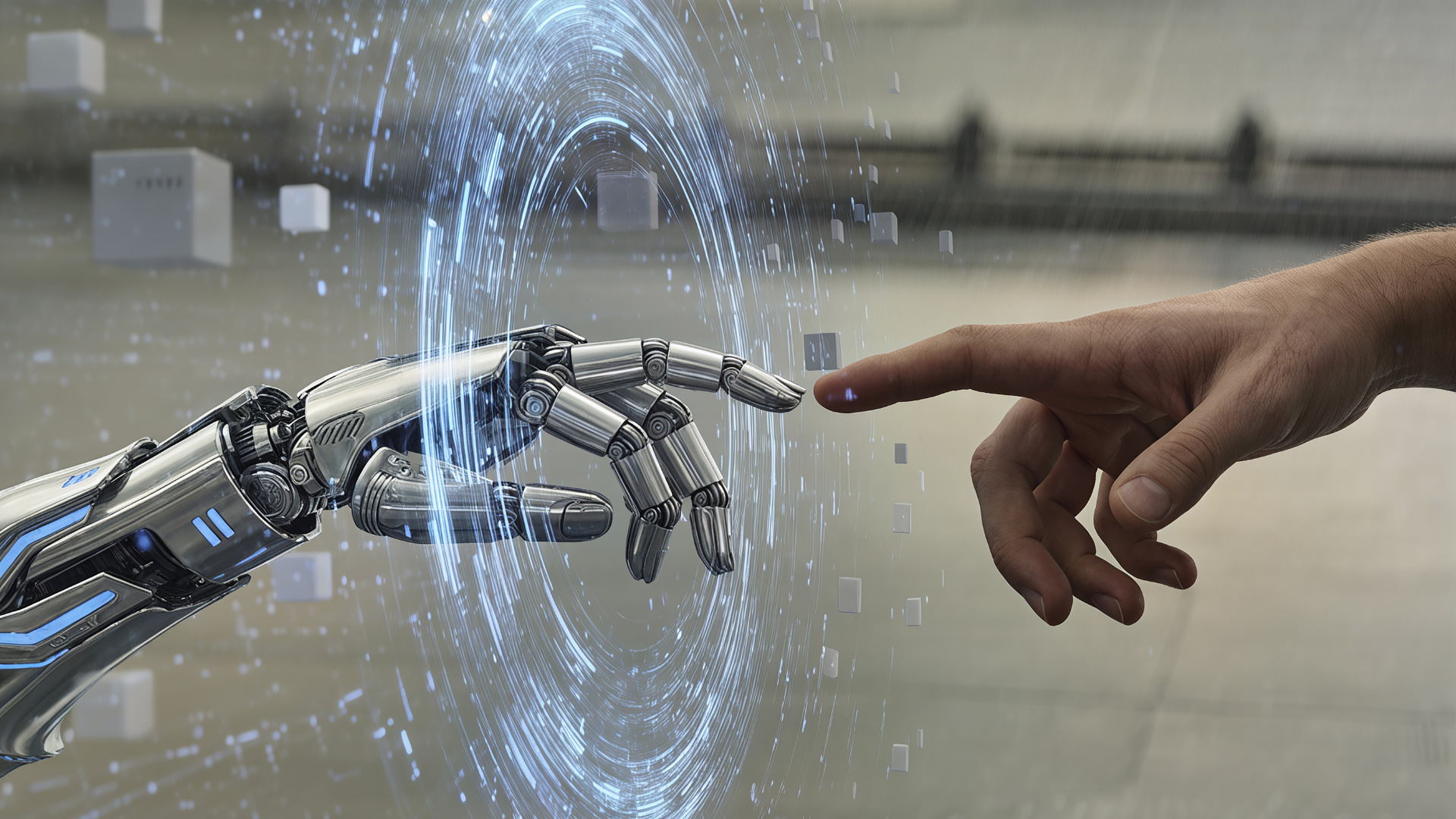
Technology increasingly merges physical and digital experiences, making it harder to distinguish between what is real and what is virtual. Virtual reality, augmented reality, and digital simulations create environments that feel tangible yet exist only in code.
The blurred lines arise because virtual experiences can evoke genuine emotions and reactions, challenging traditional definitions of reality. This shift influences many aspects of life, from entertainment and social interaction to education and work.
Understanding how these boundaries shift is essential for navigating a world where digital and physical realms overlap. This article explores the factors driving this change and what it means for everyday experiences.
The Blurred Boundaries Between Reality and Virtuality
Technology and digital content increasingly merge physical and virtual experiences. Immersive virtual worlds now influence how people interact, work, and entertain themselves, reshaping everyday life and culture.
Key Drivers of Convergence
Advancements in hardware and software power deeper immersion in virtual environments. High-resolution displays, haptic feedback, and real-time motion tracking enhance sensory realism.
Artificial intelligence personalises virtual spaces, adapting environments and avatars to users’ behaviours. This creates more engaging and lifelike interactions.
Wider internet accessibility and faster connections enable seamless experiences across devices. People can easily transition between real and virtual spaces for communication, shopping, and entertainment.
The rise of augmented reality overlays digital content onto physical surroundings, blending worlds. This technology expands the potential impact of virtual worlds beyond screens.
The Evolution of Virtual Worlds
Early virtual environments were limited to text or simple graphics. Today’s virtual worlds are rich in detail, often reflecting real-world geography, architecture, and social structures.
Platforms such as metaverse spaces allow people to meet, collaborate, and trade within digital ecosystems. These spaces often support user-generated content, driving continuous evolution.
Virtual worlds also emphasise presence and identity. Avatars can carry nuanced expressions and gestures, helping users convey emotions and social cues.
Technological improvements in 3D modelling, artificial intelligence, and networking accelerate the sophistication and accessibility of virtual experiences.
Cultural and Societal Shifts
Virtual experiences affect social norms, creating new forms of community and expression. People increasingly value digital identities alongside physical ones.
Work environments adopt virtual tools to simulate presence and teamwork, reducing geographical barriers. This trend changes expectations around office culture and productivity.
Some societies debate issues of privacy, ownership, and regulation in virtual spaces. These concerns influence how virtual worlds are designed and governed.
Virtual content consumption impacts entertainment, education, and mental health, requiring adaptation across demographics and institutions.
Immersive Technologies Reshaping Experience
Immersive technologies are transforming how individuals interact with digital content by blending sensory input and environment manipulation. These advancements leverage sophisticated hardware and software to create engaging, often indistinguishable experiences from reality.
Virtual Reality and Immersion
Virtual reality (VR) uses headsets and sensors to immerse users in fully synthetic environments. These virtual settings can represent various locations or abstract ideas, allowing interactive 3D models and detailed simulations. VR is widely applied in gaming, training simulations, and therapeutic practices due to its capacity for total immersion.
The technology isolates users from the physical world, providing 360-degree views and spatial audio. This isolation enhances presence, making the brain interpret virtual cues as genuine. Recent VR headsets focus on reducing latency and increasing resolution, vital for reducing motion sickness and enhancing realism.
Augmented Reality’s Influence
Augmented reality (AR) overlays digital content onto the real world, enhancing perception without cutting off physical surroundings. AR applications frequently use smartphones or specialised glasses to project information like icons, navigation, or interactive 3D objects.
Its impact spans retail, education, and manufacturing by providing contextual, real-time data alongside the physical environment. For example, AR can assist technicians with visual repair instructions directly on machinery, improving efficiency without removing them from the site.
Mixed Reality: Merging Realms
Mixed reality (MR) integrates real and virtual elements more deeply, allowing seamless interaction between physical and digital objects. Users can manipulate virtual items as if they exist physically, supported by advanced sensors and spatial mapping technology.
MR devices, distinct from VR and AR, enable presence in both digital and real worlds simultaneously. This capability suits collaborative workspaces and design, enabling realistic prototyping by blending physical objects with virtual environments to simulate interactions before creation.
Applications Across Sectors
The convergence of real and virtual environments impacts various fields by enhancing experience, efficiency, and interaction. This fusion integrates digital elements seamlessly with physical practices, reshaping how work, learning, and creativity function.
Entertainment and Art
Virtual reality (VR) and augmented reality (AR) transform art and entertainment by enabling immersive experiences. Artists use digital canvases and 3D modelling to create interactive installations that respond to viewer movement and input.
In gaming, these technologies create environments where players engage through VR headsets or AR overlays, blending the game world with physical surroundings. Entertainment venues adopt mixed reality for concerts and theatre, offering novel audience interactions.
These advances allow creators to push boundaries beyond traditional media, expanding both reach and artistic method.
Business and Commerce
Businesses use virtual environments to simulate products, optimise workflows, and conduct meetings. Virtual showrooms let customers explore products digitally before purchase, saving logistics costs and enabling customisation.
Remote collaboration thrives with virtual workspaces, where teams meet in simulated offices, enhancing communication despite physical distance. Training programmes use VR to replicate real-life scenarios safely, increasing employee preparedness.
Retailers combine AR with mobile apps to overlay product information or virtual try-ons, directly influencing purchase decisions and customer experience.
Healthcare and Science
Healthcare leverages virtual simulations for surgical training and patient rehabilitation, reducing risk while improving outcomes. VR systems create detailed anatomical models for study and procedure planning.
Scientists use virtual labs and data visualisation to analyse complex phenomena, from space exploration to molecular biology. Telemedicine integrates virtual consultations, enabling remote access to specialists.
Rehabilitation therapies employ virtual environments to aid cognitive and physical recovery, adapting difficulty to patient progress.
Education and Training
Educational institutions adopt virtual and augmented reality to create immersive learning environments that increase engagement. Students can explore historical sites, conduct experiments, or practice skills in a risk-free setting.
Training in high-risk sectors—such as aviation, construction, and emergency response—uses VR to simulate dangerous situations, improving readiness without hazards. These tools personalise learning, accommodating diverse styles and pacing.
The technology supports both remote and in-person instruction, offering flexibility and access to otherwise unavailable resources.
Challenges and the Path Ahead
The convergence of real and virtual worlds introduces complex issues around data protection, human behaviour, and digital infrastructure. These challenges influence how society adapts to new technologies and the ways people interact both online and offline.
Privacy and Security Concerns
As virtual environments collect vast amounts of personal data, the risk of breaches and misuse grows. Attackers target user identities, financial information, and behavioural patterns to exploit vulnerabilities in technology systems.
Security measures like encryption and biometric verification are becoming essential but remain unevenly applied. Companies must balance user convenience with robust safeguards to prevent data leaks or manipulation.
Privacy regulations struggle to keep pace with rapid advances, making global standardisation difficult. Users often face unclear consent agreements, raising questions about who controls personal information and how it is shared.
Social Impact and Human Behaviour
Blurring digital and real spaces affects social dynamics and mental health. Increased screen time and virtual engagement can reduce face-to-face interaction, altering communication skills and emotional intelligence.
People may experience identity confusion as avatars and online personas differ from real-life selves. This can lead to psychological strain, especially among younger or vulnerable populations.
Technology also changes work and leisure patterns, requiring new social norms. Managing these shifts demands attention to how virtual behaviours translate into offline consequences and relationships.
The Future of Digital Integration
Developments in augmented reality, AI, and seamless connectivity will further merge real and virtual experiences. This integration promises enhanced productivity and creative opportunities.
However, technology providers must prioritise transparency and fairness to maintain user trust. Open standards and collaborative governance will be key in shaping accessible and secure virtual spaces.
People’s digital literacy and critical awareness need strengthening to navigate the evolving landscape responsibly. Education and policy will play crucial roles in guiding society through this technological transformation.