
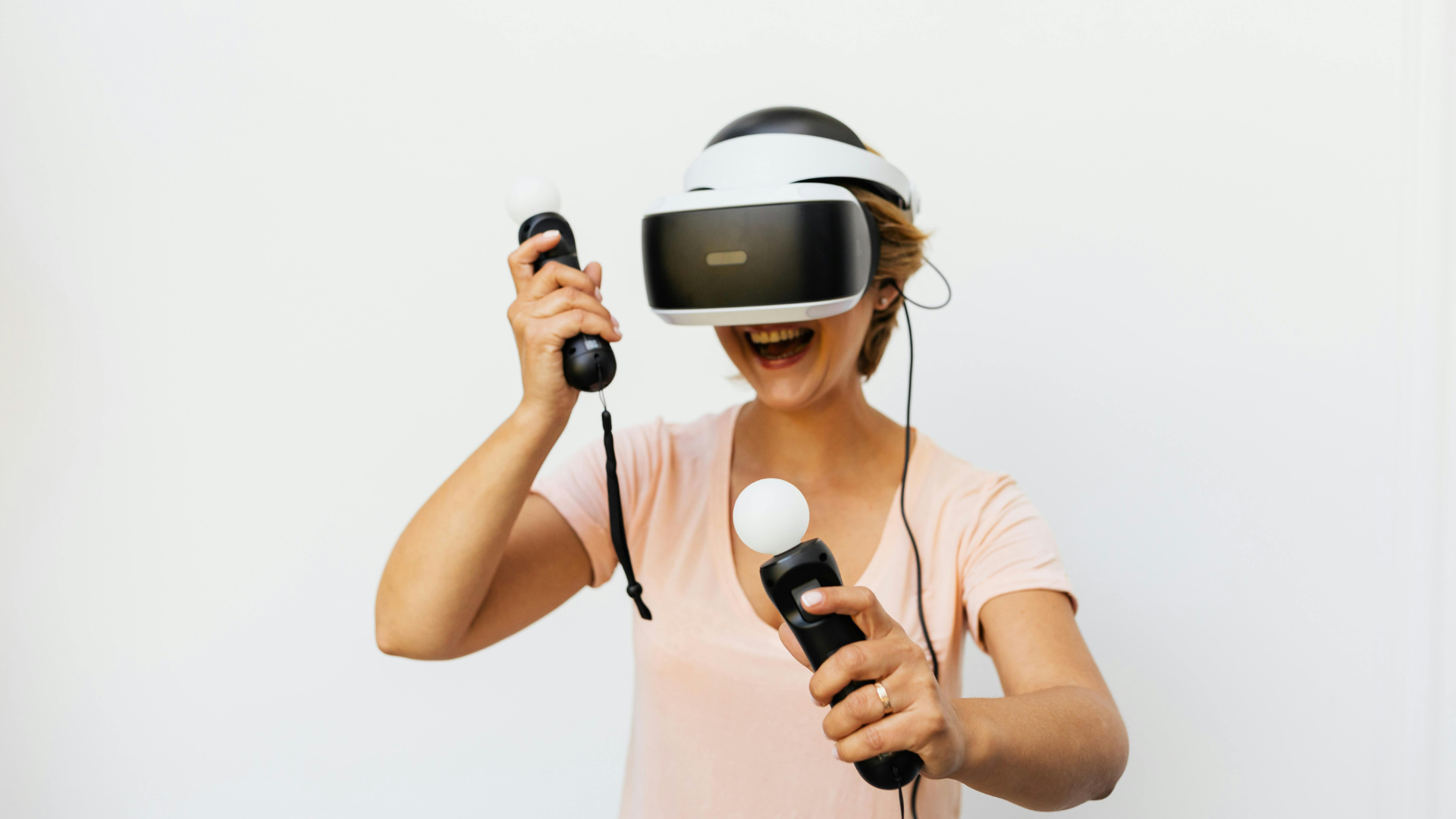
Augmented Reality (AR) is transforming how people experience everyday entertainment by blending digital elements with the real world. It brings interactive content to life, making games, performances, and media more immersive and engaging.
AR enhances everyday entertainment by adding layers of visual and sensory information that users can interact with in real time, enriching the experience beyond passive consumption. This technology allows for tailored experiences that adapt to individual preferences and environments.
From interactive gaming to live events and social media filters, AR is making entertainment more personalised and accessible. Its potential continues to grow as devices become more advanced and widespread.
Core Principles of Augmented Reality in Entertainment
Augmented Reality (AR) integrates digital content with the real world to change how users experience entertainment. It relies on specific principles that enable seamless interaction between physical spaces and digital elements. Understanding these principles clarifies AR’s growing impact on entertainment.
Defining Augmented Reality and Its Role in Daily Life
Augmented Reality overlays computer-generated images, sounds, or other data onto a user’s view of the real world. It uses devices like smartphones, tablets, or specialised glasses to enhance real environments with interactive features.
In daily life, AR helps users access contextual information effortlessly, such as displaying stats during a sports game or adding virtual objects to a room. It provides more than just passive viewing by enabling engagement with both digital and physical elements simultaneously.
How AR Blends the Physical and Digital Worlds
AR uses sensors, cameras, and software to map physical surroundings and insert virtual elements into them in real time. This blending means users can interact with digital objects as if they were part of their environment.
For example, AR can show a 3D character on a coffee table or project navigation arrows on the street. The key is synchronising virtual content’s position and movement with the real world so users perceive a coherent scene without disruption.
Distinguishing AR from Virtual Environments
Unlike Virtual Environments that fully immerse users in a computer-generated space, AR enhances reality without replacing it. Virtual reality (VR) blocks out physical surroundings entirely, while AR maintains awareness and interaction with the real world.
AR’s strength lies in augmenting reality with digital layers rather than isolating users. This distinction matters in entertainment because AR supports mixed-context experiences where real and virtual interfere productively rather than competing.
Interactive Experiences and User Engagement
Augmented reality (AR) transforms entertainment by adding interactive layers that respond to user movements and inputs. This technology offers animated content that reacts in real time, increasing involvement and making experiences feel personalised.
Immersive Gaming and Animation in AR
AR combines real-world environments with digital animation to create immersive gaming. Players interact with virtual characters and objects placed in their surroundings, which makes gameplay more dynamic. This form of gaming encourages physical movement and spatial awareness while delivering storylines enhanced by animated effects.
Developers use AR to integrate contextual animations that adapt based on player actions. For example, animated creatures might change behaviour depending on the player’s location or gestures. This responsive interaction deepens engagement, making games more compelling than traditional screen-based experiences.
Enhancing Live Events and Performances
AR enhances live events by overlaying digital animations onto physical settings. At concerts or theatre performances, audiences can see augmented visuals that extend performances beyond the physical stage. This can include interactive backgrounds, animated characters, or information displays.
Event organisers also use AR to provide personalised content, such as real-time stats or behind-the-scenes footage. These features improve the sense of connection between participants and the event, increasing enjoyment and memorability.
Social Interaction Through Augmented Overlays
Social AR apps enable users to communicate through shared digital content in physical spaces. People add augmented stickers, animations, and messages to their surroundings, which others can view and interact with using compatible devices.
This fosters a new form of social engagement built on visual and spatial communication. Users can collaborate on shared animated projects or create interactive environments to meet and converse, blending digital interaction with face-to-face connection.
The Role of AI in AR-Powered Entertainment
Artificial intelligence significantly enhances augmented reality experiences by enabling more personalised interactions, lifelike animations, and smarter integration with home entertainment systems. These advancements help create immersive and tailored entertainment options that adapt to user preferences and environments.
Personalisation and Adaptive Content Using Artificial Intelligence
AI algorithms analyse user behaviour, preferences, and context to customise AR entertainment content. This can include adjusting game difficulty, recommending interactive experiences, or tailoring visual elements to appeal to individual tastes.
The system continuously learns from user interactions to refine content delivery, making experiences more engaging over time. This adaptive approach increases user satisfaction by providing relevant and evolving entertainment.
Notably, AI-driven personalisation helps AR platforms serve diverse audiences, from casual users to enthusiasts, without manual configuration. This reduces friction and enhances accessibility in everyday entertainment.
Improved Realism Through AI-Driven Animation
AI enables AR environments to feature dynamic, natural animations for characters and objects. Machine learning models predict realistic movements based on context, improving immersion and believability.
For example, AI can simulate facial expressions or gestures in real time, allowing virtual characters to respond more naturally to user actions. This also applies to environmental effects such as lighting and shadows, which AI adjusts dynamically to enhance realism.
By reducing reliance on pre-set animations, AI helps AR content behave more organically, creating a more engaging and convincing experience for users.
AI and AR Integration in Smart Home Entertainment
In smart homes, AI optimises AR entertainment by connecting it to devices like speakers, displays, and sensors. This integration enables seamless control and synchronised experiences across multiple platforms.
AI processes data from sensors to tailor AR content to the physical space—for instance, adjusting visual placement or audio based on room layout. Voice recognition and AI assistants allow hands-free interaction with AR applications.
This interconnected setup makes entertainment more intuitive and immersive, adapting to user routines and preferences while efficiently managing system resources.
Emerging Applications and Future Trends
Augmented reality is shaping new forms of interactive content and devices that blend digital elements seamlessly into daily activities. It transforms learning, entertainment, and device usability while facing technological and user adoption challenges.
Educational Entertainment and Edutainment Evolution
Augmented reality enhances educational entertainment by creating immersive, interactive experiences that blend learning with play. Virtual environments in AR allow learners to explore complex subjects—such as anatomy or history—through 3D visualisations. This hands-on approach increases engagement and retention.
Schools and museums increasingly use AR apps to overlay digital facts and models onto physical exhibits. This makes edutainment more accessible outside traditional settings. AR’s adaptability enables personalised learning paths and real-time feedback.
The fusion of gaming elements with educational content also grabs user attention beyond typical classrooms. It supports collaborative learning among students through shared AR experiences.
Wearables and AR Glasses in Everyday Use
Wearable AR devices, particularly glasses, are advancing towards lightweight, stylish designs for regular wear. These gadgets overlay digital information onto real-world views without interrupting daily tasks. They offer hands-free access to navigation, notifications, and entertainment.
Future AR glasses aim to integrate with smartphones and cloud services for seamless content updates. Eye-tracking and voice controls enhance interaction efficiency.
However, widespread acceptance depends on addressing battery life, comfort, and data privacy concerns. Early adopters include professionals needing on-the-go data and casual users who want immersive media without a handheld screen.
Challenges and Opportunities for Further Adoption
Technical limits such as insufficient processing power and limited battery life constrain AR’s full potential. Developers must optimise virtual environment rendering and reduce latency for smooth experiences.
Data privacy and security issues arise with AR’s use of cameras and sensors in public and private spaces. Regulatory frameworks need to evolve alongside technology.
Despite these barriers, growing interest from industries like gaming, education, retail, and healthcare highlights significant market opportunities. Improvements in AR hardware and software could drive mass adoption as costs fall.
Key focus areas include:
| Challenges | Opportunities |
| Battery limitations | Immersive brand experiences |
| Privacy concerns | Enhanced remote collaboration |
| Hardware comfort | New educational methods |
| Software maturity | Integration with 5G and AI |


