
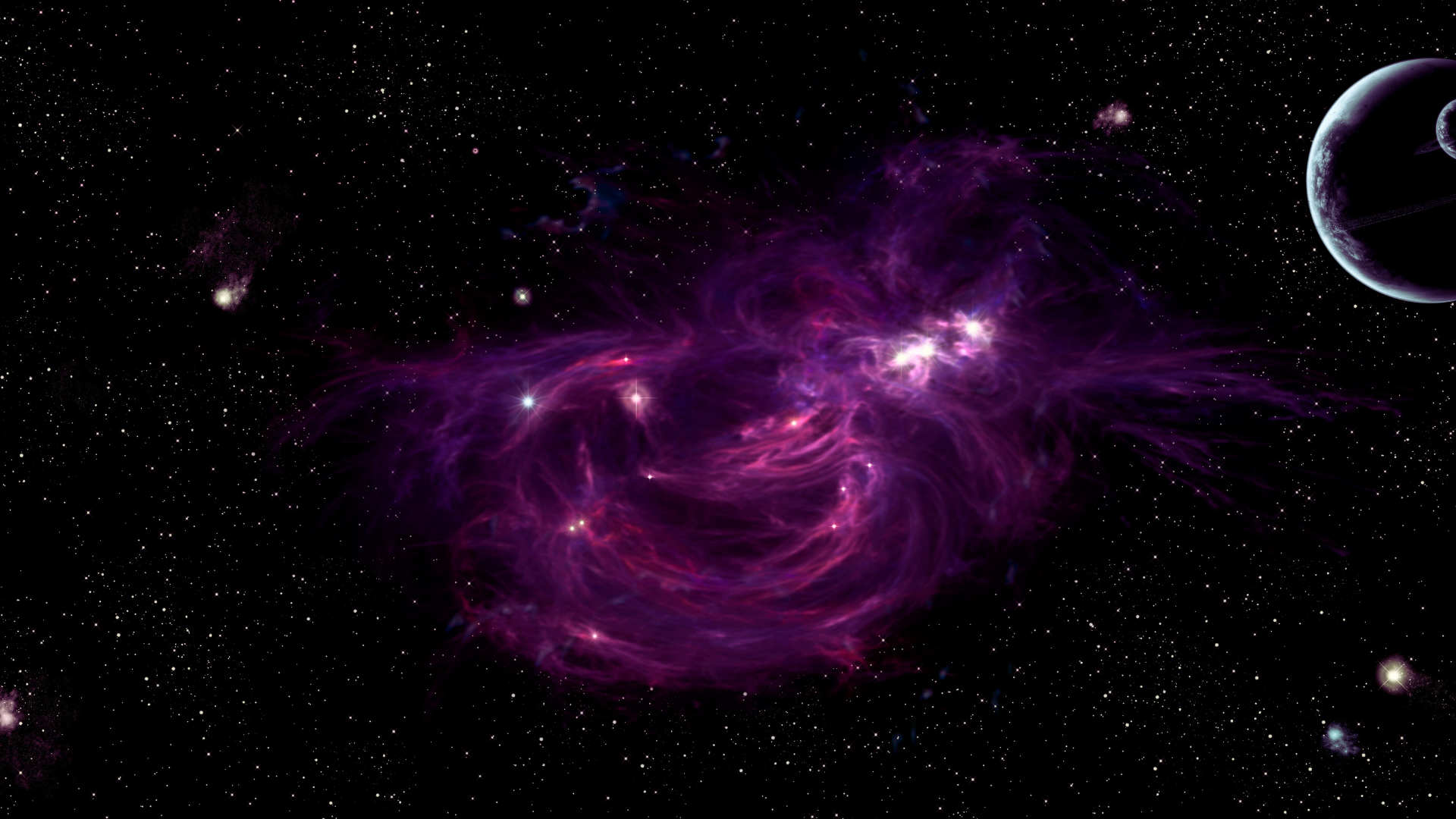
Exploring the vastness of space and the depths of the oceans has fascinated humankind for centuries. Today, the emergence of virtual reality offers a groundbreaking way to experience these realms in an immersive manner. Through VR experiences, individuals can journey to distant planets or plunge into the deep sea, transforming their understanding of these environments.
In virtual reality, users can witness breathtaking cosmic events or observe the intricate ecosystems found beneath the waves, all from the comfort of their own homes. This technology creates a bridge between inaccessible places and everyday experience, making education about space and oceans more engaging. By harnessing the power of VR, it is possible to foster a deeper appreciation for the wonders of the universe and the mysteries of the deep sea.
As virtual reality continues to evolve, it holds immense potential for countless applications, including education, research, and entertainment. Those who engage with these VR experiences not only gain knowledge but also develop a greater connection to the world around them. The exploration of space and the ocean through virtual reality not only satisfies curiosity but also inspires a sense of adventure and discovery.
The Evolution of Virtual Reality Technology
Virtual reality technology has transformed significantly, enhancing user experiences in various fields. This evolution includes the development of VR headsets and immersive content formats like videos, as well as advancements in gaming and simulation technologies.
From VR Headsets to Immersive Videos
The journey of VR technology began with the introduction of head-mounted displays, which have now evolved into sophisticated devices like the Meta Quest 2. These VR headsets provide users with high-resolution visuals and spatial audio, allowing for profound immersion.
Immersive videos have also gained prominence. They offer users a first-person perspective, enabling exploration of virtual environments without the need for complex equipment. This format is increasingly utilised in educational settings and entertainment, allowing audiences to engage with content in innovative ways.
Advances in VR Gaming and Simulation
The gaming industry has been a significant driver of VR advancement. Early VR games lacked interactivity and realism, but modern titles leverage improved graphics and motion tracking. This creates a more engaging and responsive gaming experience.
Simulation applications have expanded beyond gaming into training and education. VR is used for flight simulators, medical procedures, and environmental studies. This technology allows for risk-free training in realistic scenarios, making it invaluable in many professional fields.
Exploring Outer Space with Virtual Reality
Virtual reality (VR) offers immersive experiences that simulate the vastness of space, making it accessible for education, training, and exploration. This technology creates opportunities for astronaut training, interactive celestial experiences, and engaging VR space exploration games.
Astronaut Training and Mission Simulations
VR plays a significant role in astronaut training, providing a safe and controlled environment for learning. Programs like Mission: ISS simulate life aboard the International Space Station. Trainees learn to manage daily tasks like conducting experiments and performing repairs while experiencing microgravity through VR.
Another tool is the Space Pirate Trainer, which enhances physical coordination by requiring users to navigate challenges in a simulated space setting. These simulations prepare astronauts for real-world challenges they will face during missions, contributing to a more effective learning process.
Interactive Celestial Experiences
Interactive celestial experiences enable users to explore the universe without leaving their homes. Universe Sandbox allows participants to manipulate celestial bodies, observing the effects of gravity, collisions, and other dynamics in real time. This experience deepens players’ understanding of astrophysics through hands-on learning.
Additionally, SpaceEngine provides a realistic simulation of the universe, letting users fly through galaxies, examine planetary systems, and even survey black holes. Such tools foster curiosity about space, making complex astronomical concepts more approachable and engaging for all ages.
Popular VR Space Exploration Games
Several VR games have gained popularity for their immersive space exploration. Discovering Space 2 offers players an educational journey through various epochs of the universe, showcasing its evolution. Players can manipulate time and space, learning about the formation of stars and galaxies.
Another notable game is Elite Dangerous, which combines elements of trading and combat in an expansive galaxy. Players can explore planets, engage with alien species, and navigate complex space routes. These games not only entertain but also educate players about space and its vast possibilities, making the cosmos more tangible.
Discovering Ocean Depths Through VR
Virtual reality (VR) technology offers an innovative gateway to explore the ocean’s depths, enabling immersive experiences that educate users about marine life and ecosystems. Through virtual dives, users can explore various underwater environments, such as coral reefs and kelp forests, while fostering a deeper understanding of marine conservation.
Virtual Dives and Marine Life Exploration
Virtual dives provide unique opportunities to encounter diverse marine life in their natural habitats. Users can swim alongside schools of colourful fish, glide through coral reefs, and observe the behaviours of species such as dolphins and sharks.
Such experiences promote curiosity about the underwater world. VR allows users to interact with marine life, understand ecosystem dynamics, and appreciate biodiversity. Platforms like National Geographic offer detailed models of underwater environments, enhancing the educational aspect of these dives. Users witness phenomena like the symbiosis between clownfish and anemones or the intricate structures of coral reefs, bringing awareness to the fragility of these ecosystems.
Conservation Education and Virtual Tourism
VR plays a significant role in promoting conservation efforts by simulating the impact of human activities on marine environments. By experiencing the effects of pollution, climate change, and habitat destruction first-hand through immersive scenarios, users become advocates for marine conservation.
Virtual tourism allows participants to explore locations such as the Channel Islands without physical travel, reducing ecological footprints. This approach raises funds for marine conservation projects while increasing public interest in preserving marine biodiversity. By showcasing endangered species like turtles and whales, VR experiences foster emotional connections that motivate individuals to engage in conservation efforts.
Underwater World Modelling and Visualisation
The visualisation of underwater worlds through VR technology creates realistic models of various marine environments. These models help in studying and monitoring ecosystems, allowing scientists to assess changes over time.
Applications in underwater modelling can provide insights into complex structures such as coral reefs and kelp forests. High-resolution visualisations facilitate research on the interactions between different marine species, such as squids and jellyfish. This data can assist in developing strategies for conservation, ensuring that marine ecosystems are protected for future generations. By combining technology with education, VR serves as a powerful tool in the quest to understand and preserve oceanic health.
The Intersection of VR and Real-World Exploration
Virtual reality (VR) has become a transformative tool for real-world exploration. By utilising VR goggles, individuals can engage in immersive experiences that bring distant environments within reach.
One significant area is space exploration. Through VR, users can virtually traverse the surface of Mars or other celestial bodies. This experience allows them to witness landscapes and phenomena that may otherwise remain inaccessible.
Similarly, the deep sea can be explored without leaving home. Immersive VR experiences showcase underwater wildlife and ecosystems, offering users a unique perspective on marine life. This technology enables a deeper appreciation of biodiversity and conservation efforts.
Platforms like Sketchfab enhance this experience by providing 3D models of various environments. These models can be integrated into VR applications, allowing users to interact with detailed representations of both outer space and the ocean.
The intersection of VR and exploration not only broadens educational opportunities but also fosters curiosity. As technology advances, the potential for realistic simulations continues to grow, inviting wider audiences to engage with the wonders of the universe and the depths of the ocean.


